
Blog
Find out more on articles related to dermocosmetics, nutraceuticals and health

In recent years, artificial intelligence (AI) has rapidly become a cornerstone of innovation in life sciences. But while headlines often focus on its use in radiology or drug discovery, a quieter revolution is taking place in microbiology — one that may prove just as transformative, particularly for preclinical research in infectious diseases.
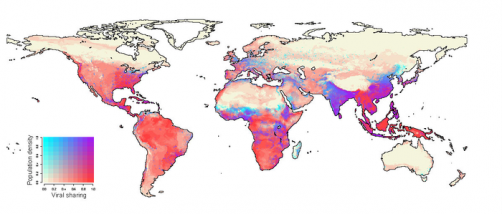
A direct link between climate change and infectious diseases can be explained by one notion: the one health concept.
As a reminder, the one health concept is a concept that stand for the interconnection of human – animal and environment health. Dysregulating one aspect can have an impact on others. In this specific case, the three notions of health are interconnected. As a consequence of climate change, scientists predict that wild animals will be forced to relocate their habitats and will most likely be closer to human population or to farmed animals.
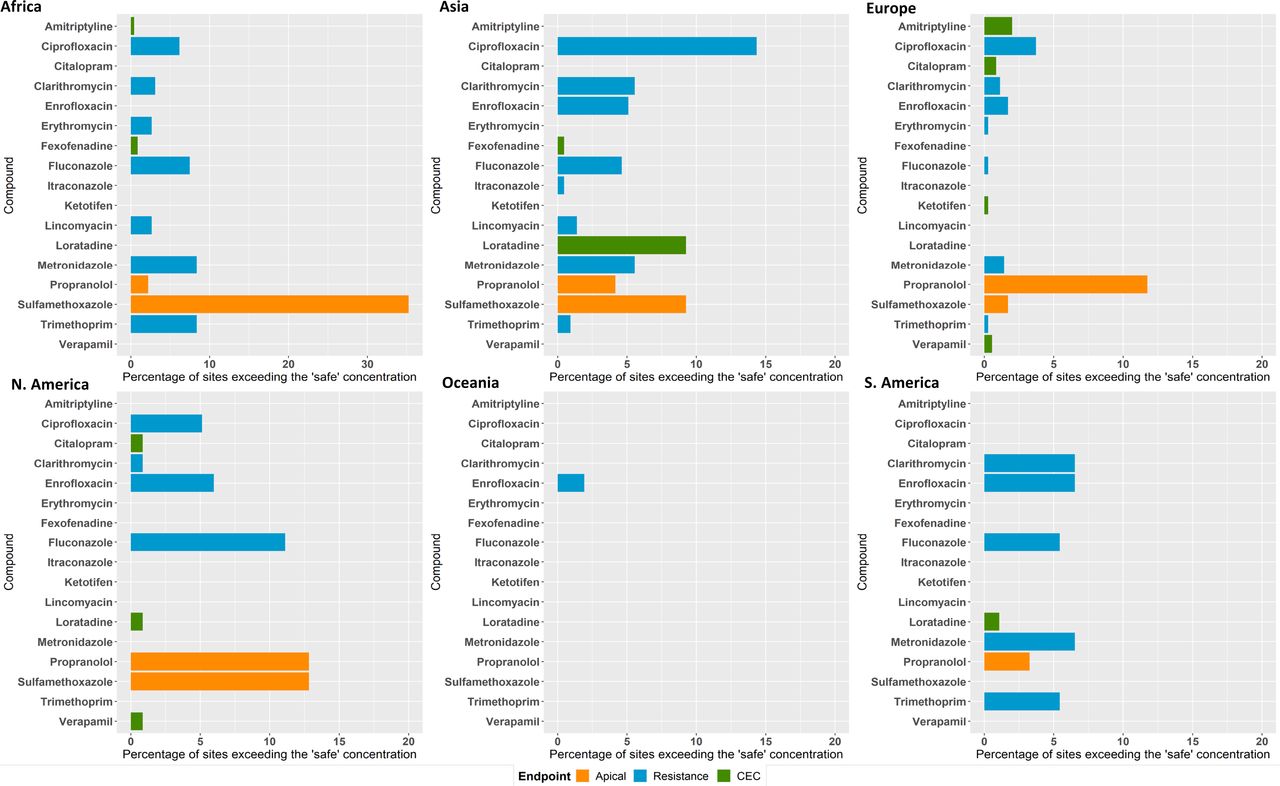
In almost 1 / 4 of the sites monitored worldwide, the concentrations of medicine found in rivers exceed the levels recommended preserving aquatic biodiversity or to prevent antibiotic resistance: that is one of the outcomes of a study performed through the University of York (United Kingdom), in collaboration with 86 studies institutes, including the National Research Institute for Agriculture, Food and the Environment (Inrae) in France.
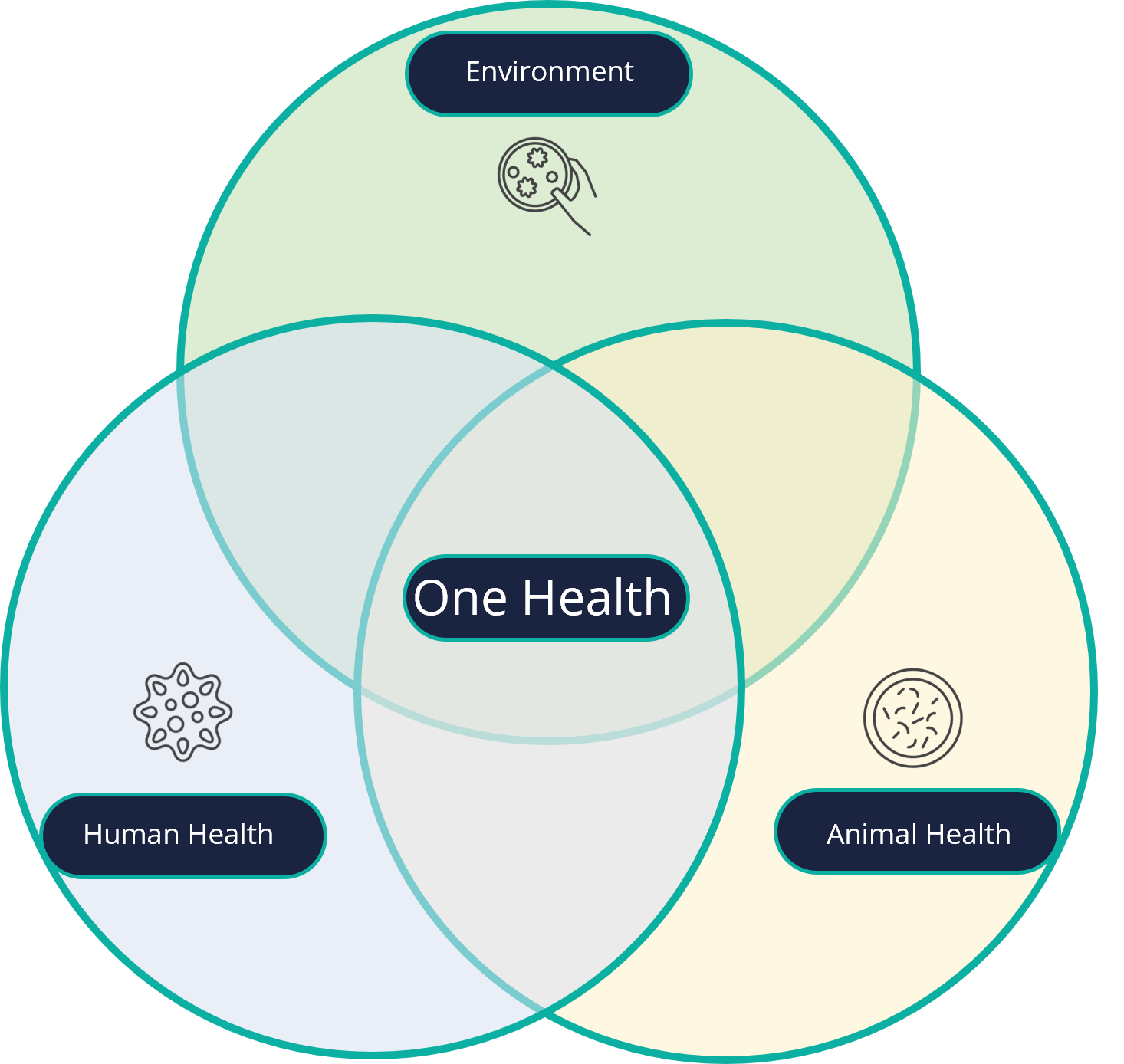
The one health concept intends to avoid new pandemics by having a systemic point of view of the situation. We can take the concept as a two pillars solution. On the one hand by controlling the exposition of livestock with wildlife to reduce the cross-contamination and on the other hand by controlling the risk of emerging diseases inside the livestock.
Catégories
Archives
- novembre 2021 (1)
- décembre 2021 (2)
- janvier 2022 (3)
- février 2022 (2)
- avril 2022 (1)
- mai 2022 (3)
- juin 2022 (1)
- octobre 2022 (1)
- décembre 2022 (1)
- février 2023 (1)
- avril 2023 (2)
- mai 2023 (1)
- août 2023 (1)
- septembre 2023 (1)
- avril 2024 (2)
- mai 2024 (1)
- mars 2025 (1)
- mai 2025 (1)
- juin 2025 (3)
- juillet 2025 (1)
- octobre 2025 (1)
- janvier 2026 (2)
- février 2026 (2)
- mars 2026 (2)
- avril 2026 (1)
- juin 2026 (1)
- juillet 2026 (1)
- août 2026 (1)